
My Kid Refuses to Do Homework Every Day: What Worked
Ending daily homework refusal comes down to reducing cognitive fatigue and removing power struggles. These simple operational shifts turned tears into independent work time.
Ending daily homework refusal comes down to reducing cognitive fatigue and removing power struggles. These simple operational shifts turned tears into independent work time.
Introduction A video call connects, and for a second nobody knows what to say. Grandma is on one end speaking Tagalog or Farsi or Yoruba; the grandchild on the other end understands maybe half of it and answers in English. Someone laughs it off, the call moves on to waving and funny faces, and everyone […]
Introduction The nightly standoff usually starts the same way. The backpack hits the floor, the folder stays zipped, and by the time you ask about homework, your child has already decided the answer is no. What follows can eat up an entire evening — pleading, bargaining, raised voices, maybe tears on both sides — over […]
A child who measures flour for a recipe, builds a bridge from cardboard, plants seeds, takes apart an old toy, or uses blocks to solve a math problem is doing more than keeping busy. They are testing ideas, making decisions, noticing cause and effect, and discovering what happens when a plan succeeds—or fails. That is […]
A strong relationship with your child is rarely built through grand gestures. More often, it grows in the ordinary moments: listening to a story that seems to have no ending, sitting beside them after a difficult day, laughing over something silly, or putting down your phone when they say, “Can I tell you something?” Those […]
Learning does not begin when someone opens a textbook, sits at a desk, or walks into a classroom. It happens while cooking dinner, comparing prices at a shop, fixing something that has stopped working, walking through the neighborhood, planning a trip, or simply talking about what happened during the day. The opportunity, then, is not […]
A child does not need perfect parents. They need adults who are consistently present, responsive, and willing to guide them with both warmth and boundaries. That simple idea sits at the heart of positive parenting—an approach that emphasizes connection, respectful communication, encouragement, predictable limits, and discipline that teaches rather than humiliates. It is not about […]
A child can have a warm home, good food, a comfortable bed and every educational opportunity—and still feel lonely, frightened, overwhelmed or misunderstood. That is why understanding a child’s emotional needs matters as much as meeting physical ones. Children are not born knowing how to identify anger, cope with disappointment, handle rejection or ask for […]
A child’s development is shaped by far more than genetics or what happens at school. The everyday environment—how adults respond to a crying baby, whether a child gets enough sleep, what food is available at home, how often the family talks and plays together, and whether a child feels safe—helps build the foundation for physical […]
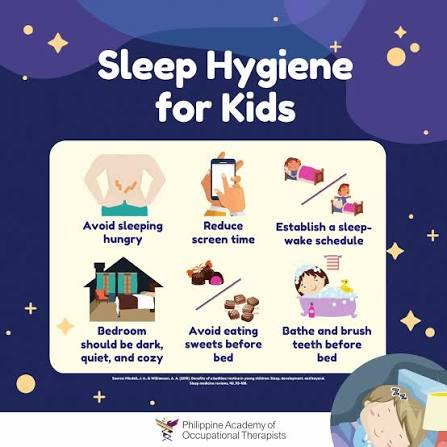
Sleep can be one of the first things to disappear when family life gets busy. Homework runs late, sports practice ends after dinner, screens become difficult to put down, and younger children suddenly discover they are very much not tired at bedtime. Yet sleep is not simply “downtime.” For growing children, it supports attention, learning, […]
Kids Actually Love Getting children to eat a healthy snack sounds easy until you put the food in front of them and hear, “I don’t like it.” The problem is rarely that kids are incapable of liking nutritious foods. More often, healthy snacks lose the competition on taste, texture, convenience, or familiarity. A bowl of […]