
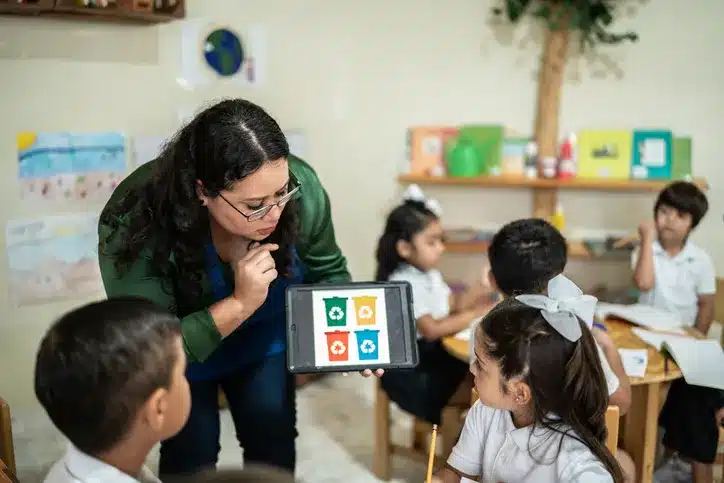
Educational technology has moved from a novelty to a core part of how children learn, reshaping everything from daily classroom routines to the way schools think about personalization and equity. The shift is not just about new gadgets; it is about how digital tools, when used thoughtfully, can make learning more engaging, more tailored, and more connected to the world outside school.
What’s actually changing in classrooms
Personalized and adaptive learning
One of the biggest shifts is the move toward personalized instruction. Adaptive platforms adjust the difficulty and type of tasks based on a student’s performance, offering extra practice where needed and moving faster when concepts are mastered. This kind of “tutoring at scale” can mimic some benefits of one‑to‑one support without the same cost.
Field studies show that when such tools are implemented with dedicated support staff, the gains can be substantial. In one large program in Indian government boarding schools, students using a supervised, computer‑assisted math program scored 0.44–0.47 standard deviations higher on independent assessments—roughly moving from the 50th to the 67th percentile. The key was not just the software, but the organizational setup that ensured consistent use.

What the evidence says—and where it’s still thin
A 2026 review of 56 meta‑analyses covering more than 2,100 individual studies found a cautiously positive picture: on average, educational technology is associated with measurable improvements in learning outcomes for school‑aged children. A systematic review focused on primary education reported that digital‑based learning improved academic outcomes by an average of 24.2% and boosted engagement, especially when interactive media and platforms were well integrated into instruction.
Yet the evidence is uneven. Research tends to focus on academic attainment in subjects like math, literacy, and science, with far less on creativity, problem‑solving, motivation, or long‑term development. Studies also underrepresent diverse groups: very few examine differences by gender, socioeconomic status, refugee or minority background, and only a handful include children with special educational needs and disabilities, despite the belief that technology could particularly help them.
UK‑based studies offer a reality check. Some found positive effects of computer‑assisted reading programs and certain math games, while others found no significant impact from tablets or digital feedback apps. In some cases, paper‑based games performed as well as or better than digital ones, suggesting that pedagogy and program design matter more than the medium. Handwriting research adds another nuance: for early literacy, writing letters by hand leads to stronger letter recognition and decoding skills than typing, reinforcing the value of pencil‑and‑paper work alongside screens
Benefits that go beyond test scores
When implemented well, EdTech can:
- Increase student engagement and motivation, particularly through interactive and game‑like elements
- Support differentiated instruction, allowing teachers to assign different tasks or levels to different students within the same class
- Enable more frequent, low‑stakes feedback, so students can correct misunderstandings quickly.
- Help build digital literacy and confidence with tools they will use in higher education and the workplace
- For some learners, especially those who struggle in traditional settings, technology can provide alternative pathways to demonstrate understanding—through videos, presentations, coding projects, or interactive portfolios.
Risks, challenges, and the equity question
The flip side is real and growing.
Screen time, attention, and wellbeing
Teachers and parents worry about excessive screen time, reduced attention spans, and the risk of “tech replacing teaching” rather than enhancing it. Research on phone bans shows that removing distracting devices from classrooms can improve grades and reduce disruptive behavior, particularly for struggling students. In 2025 alone, 22 U.S. states passed new laws restricting phone use in schools, reflecting a broader push to create more focused learning environments
Data privacy and safety
As schools adopt more platforms, concerns about data breaches, surveillance, and commercial exploitation have intensified. A 2025 report found that 85% of teachers and 86% of students used AI in the 2024–25 school year, alongside rising risks of data breaches and tech‑facilitated harassment and bullying. Young people themselves point out how poorly designed systems can exclude families—such as parent portals that are hard to navigate—or disadvantage students who lack reliable devices or internet at home
The digital divide
Access gaps remain a major barrier. Limited device availability, weak infrastructure, and low teacher readiness hinder equitable implementation, especially in underserved areas. Without deliberate policy and investment, EdTech can widen rather than narrow existing inequalities.

Benefits of Technology
During the pandemic, we saw how technology made online learning possible. It was a major adjustment, but it also showed us how educational technology (edtech) can enhance and engage learning.
Kids today are growing up surrounded by technology, and they’re more tech-savvy than we might think. They quickly learn to navigate smartphones, tablets, and websites. Use this to your advantage when teaching with tech—learn alongside your kids, and they’ll pick it up faster than you expect.
Technology offers many learning benefits:
- Critical Thinking and Problem-Solving: Using search engines helps kids practice these skills.
- Fine Motor Skills: Using a mouse and keyboard improves dexterity.
- Visual Discrimination: Video games can enhance reaction time and visual skills.
Frequently asked questions
Is educational technology actually improving learning?
On average, yes—but with important conditions. Meta‑analyses show modest to moderate gains in academic outcomes, especially when tools are interactive and well integrated into teaching. Gains are largest when implementation is supported and when technology complements strong pedagogy rather than replacing it
Does AI help or hurt students’ learning?
It can do both. AI can personalize explanations, support drafting and revision, and reduce teacher workload. But when students rely on it to produce answers without engaging deeply, retention and understanding suffer. The most promising uses position AI as a questioning tutor and keep dedicated phases of independent, tool‑free work.
How can parents ensure technology is helping rather than harming their child?
Focus on how technology is used, not just how much. Ask about the purpose of each tool, set clear screen‑time boundaries, encourage offline reading and handwriting, and maintain open conversations about online safety and digital citizenship. If possible, stay involved with school platforms so you can monitor progress and spot problems early.
Conclusion
Educational technology is no longer an add‑on; it is woven into the fabric of how children learn. Used wisely, it can personalize instruction, deepen engagement, and equip kids with the digital and cognitive skills they will need as adults. Used poorly, it can distract, deepen inequalities, and encourage superficial learning.
The most important variable is not the latest app or device, but the human choices around it: the pedagogical goals, the support for teachers, the safeguards for attention and privacy, and the commitment to ensure that every child—regardless of background—can benefit. In that sense, the real story of EdTech is not about machines changing kids, but about adults deciding what kind of learning experiences they want technology to enable.
Related Posts


