A child should see a speech therapist whenever they miss key communication milestones, display persistent difficulty understanding words, or become visibly frustrated when trying to communicate. Early intervention prevents broader social and academic setbacks while giving families clear tools to support daily progress. Your first appointment focuses on a comprehensive evaluation through observation, structured play, and direct parent consultation.
Developmental Red Flags Across Early Childhood
Recognizing when a child needs professional support starts with observing how they communicate relative to standard growth windows. Missing a single milestone by a few weeks is rarely cause for alarm, but consistent delays across multiple skills indicate that an evaluation is appropriate.
Between 12 and 18 months, children typically point to objects, gesture, and use initial single words like mama or ball. If an 18-month-old relies entirely on grunting, avoids eye contact, or does not respond to their name, scheduling a screening with a speech-language pathologist is recommended.
By age two, a child should use around fifty distinct words and combine two words into basic phrases like more milk. Alarm bells should ring if a two-year-old only imitates speech without producing spontaneous phrases, or if unfamiliar caregivers cannot understand at least half of what the child says.
For children aged three to four, speech should be largely intelligible to broader family members and neighbors. Red flags at this stage include persistent stuttering, difficulty answering simple questions, or trouble combining three to four words into coherent sentences.
Distinguishing Speech Delays from Language Delays
Parents often treat speech and language as identical concepts, but therapists evaluate them as distinct functional areas. Identifying which system is struggling guides the exact structure of early treatment.
Speech refers strictly to sound production, mechanics, and articulation. A child with a speech delay knows what they want to say, but physical coordination or sound mapping makes their output muffled, substituted, or distorted. Common speech issues include lisping, dropping final consonants from words, or struggling with motor planning for complex sounds.
Language refers to the underlying system of meaning, rules, and comprehension. Language issues break down into receptive delays, where a child struggles to process what others say, and expressive delays, where a child understands everything but lacks the vocabulary or sentence structure to express thoughts. A child can have normal speech production while facing severe language delays, or vice versa.
Steps to Prepare for the Assessment
Proper preparation before entering the clinic saves time and ensures the clinician gets an accurate picture of your child’s daily communication habits. Children often behave differently in formal clinic settings than they do at home, making parent data essential.
Documenting Baseline Communication
Keep a simple running log for one week leading up to the evaluation. Note the words your child uses spontaneously, the gestures they rely on, and any moments where breakdown or frustration occurs. Short smartphone videos recorded in comfortable home settings provide invaluable context for the clinician.
Gathering Health and Development Records
Compile relevant medical records, including recent hearing screenings and notes from pediatric visits. Chronic ear infections or fluid accumulation in early childhood frequently contribute to speech delays and must be ruled out or accounted for during the intake review.
Preparing Your Child Mentally
Frame the visit as a fun, interactive play session rather than a doctor’s test. Introduce the therapist as a new play partner who has special toys and games. Keeping the environment low-pressure reduces anxiety and encourages authentic communication during testing.
Inside the First Speech Evaluation Visit
The initial evaluation typically lasts between 45 and 90 minutes depending on the child’s age and attention span. Clinicians use a balanced approach that combines structured assessment tools with relaxed observation.
Parent Interview and Case History
The appointment begins with a thorough conversation about your child’s developmental background, medical history, and daily routines. The therapist will ask about home language exposure, feeding habits, and specific situations where communication proves most challenging.
Observation and Informal Assessment
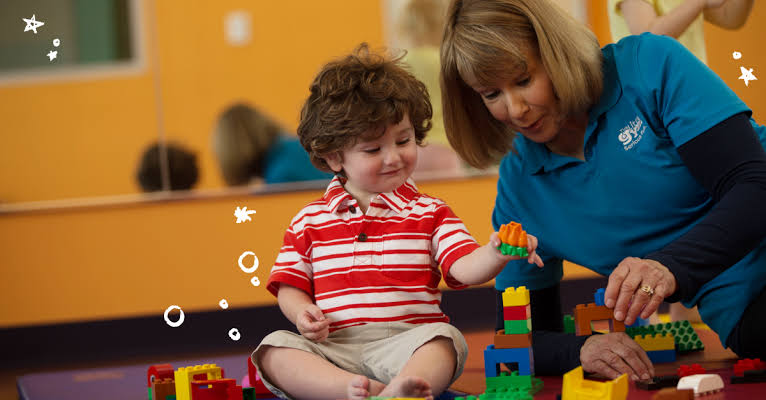
While engaging the child with age-appropriate toys, the therapist evaluates natural communication habits, eye contact, joint attention, and turn-taking skills. This play-based format allows the clinician to assess expressive vocabulary, sentence structure, and sound production without causing stress.
Standardized Diagnostic Testing
Depending on the child’s age, the clinician may administer formal standardized tests using picture books, object identification tasks, or imitation prompts. These tools generate objective scores that compare your child’s skills against national developmental benchmarks for their exact age bracket.
Oral Motor Mechanism Exam
The clinician briefly examines the child’s lips, tongue, palate, and jaw movement to ensure physical structures support proper speech production and swallowing. This check rules out structural issues like tongue-tie or low muscle tone in the oral facial area.
Frequently Asked Questions
How long does a speech evaluation usually take?
A comprehensive initial speech evaluation generally takes between 45 minutes and 90 minutes. The exact duration depends on your child’s age, attention span, and the complexity of the diagnostic assessments required.
Will health insurance cover speech therapy for my child?
Coverage varies widely based on your specific insurance provider, plan details, and whether the speech delay is classified as developmental or medical. Many plans require a formal referral or diagnosis code from your pediatrician before approving authorization for evaluation and treatment sessions.
Does a speech delay mean my child has autism?
No, a speech delay alone does not indicate autism spectrum disorder. While communication challenges can be a component of autism, many children experience isolated speech or language delays while meeting all social and emotional developmental markers.
Can home practice replace professional speech therapy?
Home practice is essential for reinforcing progress, but it cannot replace the specialized clinical diagnostic skills and targeted intervention plans of a licensed speech-language pathologist. Professional therapy ensures that practice activities target the exact root causes of the delay efficiently.
Practical Next Steps to Take Today
Start by requesting a formal referral for a speech evaluation from your child’s pediatrician, as many insurance plans require this documentation to begin coverage. While waiting for your appointment, begin a written log of your child’s current gestures, vocalizations, and daily frustrations to share directly with the clinician during intake.
Related Posts