Social
Helping Children Build Confidence Through Good Manners and Strong Social Skills
Good manners and social skills are among the most valuable life lessons parents and educators can teach children. While academic success is important, the ability to communicate respectfully, show kindness, and interact positively with others plays an equally significant role in a child’s overall development. These essential skills help children build meaningful relationships, develop self-confidence, and navigate social situations with ease throughout their lives.
Why Good Manners Matter
Good manners are the foundation of respectful behavior. Teaching children to say “please,” “thank you,” “excuse me,” and “sorry” encourages gratitude, empathy, and consideration for others. These simple expressions foster positive interactions at home, in school, and within the community.
Children who consistently practice good manners often:
- Earn the respect and trust of others.
- Build stronger friendships.
- Develop greater self-confidence.
- Create positive first impressions.
- Learn responsibility and accountability for their actions.
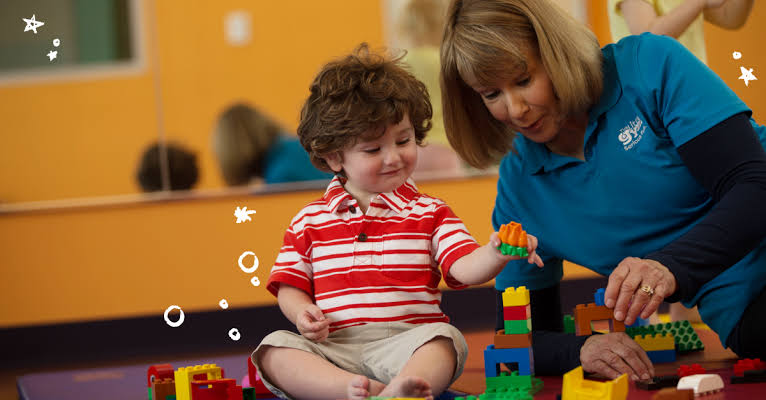
By modeling polite behavior, parents and caregivers become the child’s first and most influential teachers.
Building Strong Social Skills
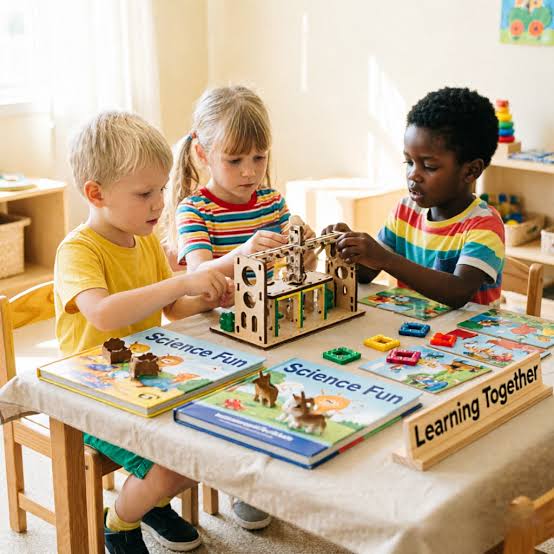
Social skills enable children to communicate effectively, cooperate with others, and express their emotions appropriately. These abilities are essential for teamwork, conflict resolution, and emotional well-being.
Key social skills include:
- Active listening.
- Sharing and taking turns.
- Respecting personal boundaries.
- Showing empathy and kindness.
- Working collaboratively in groups.
- Communicating thoughts and feelings respectfully.
- Resolving disagreements peacefully.
Children who develop these skills are better prepared to handle challenges, adapt to new environments, and build lasting relationships.
Practical Ways to Teach Good Manners
Teaching manners doesn’t require complicated lessons—it starts with everyday interactions. Parents and educators can encourage positive behavior by:
- Leading by example through respectful communication.
- Praising children when they display polite behavior.
- Practicing greetings and introductions.
- Encouraging children to help others.
- Teaching proper table manners during family meals.
- Explaining why kindness and respect are important.
- Using role-playing activities to practice different social situations.
Consistency and positive reinforcement help children turn good manners into lifelong habits.
Encouraging Positive Social Development
Children learn best through experience. Giving them opportunities to interact with peers in different settings helps strengthen their communication and relationship-building skills.
Parents can support social growth by encouraging:
- Group games and team activities.
- Family discussions and conversations.
- Community events and volunteer activities.
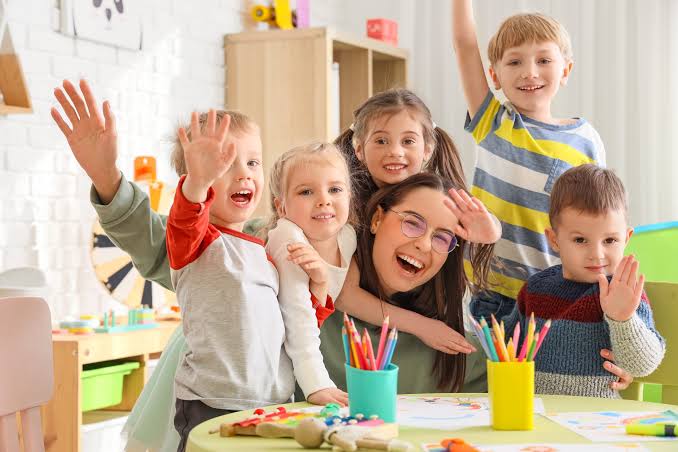
- Creative play that involves cooperation.
- Respectful problem-solving during conflicts.
- Participation in sports, clubs, or extracurricular programs.
These experiences help children become more confident, independent, and socially responsible.
The Long-Term Benefits
Children who develop strong manners and social skills are better equipped for success both personally and professionally. They become compassionate individuals who understand the importance of respect, honesty, cooperation, and effective communication. These qualities contribute to stronger friendships, improved academic performance, successful careers, and healthier relationships throughout adulthood.
Invest in Your Child’s Bright Future
Helping children develop good manners and social skills is one of the greatest gifts parents and educators can provide. Every polite word, thoughtful action, and respectful interaction shapes their character and prepares them for lifelong success. By nurturing kindness, empathy, confidence, and positive communication from an early age, we empower children to become responsible, respectful, and caring members of society.
Start today by making good manners a daily habit and encouraging meaningful social interactions. Small lessons practiced consistently can create confident, compassionate, and successful individuals ready to make a positive impact wherever they go.
These essential skills help children build meaningful relationships, develop self-confidence, and navigate social situations with ease throughout their lives..
Related Posts