
A child’s development is shaped by far more than genetics or what happens at school. The everyday environment—how adults respond to a crying baby, whether a child gets enough sleep, what food is available at home, how often the family talks and plays together, and whether a child feels safe—helps build the foundation for physical health, learning, emotional regulation, and relationships.
The encouraging part is that supporting healthy development does not require expensive toys, elaborate educational programmes, or perfectly planned days. The World Health Organization’s framework for “nurturing care” emphasizes five interconnected needs: good health, adequate nutrition, safety and security, responsive caregiving, and opportunities for learning. For parents, that translates into a surprisingly practical goal: create a home where children are cared for consistently, encouraged to explore, given healthy boundaries, and able to build strong relationships with the adults around them.
1. Build a Secure, Responsive Relationship
One of the most powerful things a parent can give a child is not a particular toy or lesson but a reliable relationship.
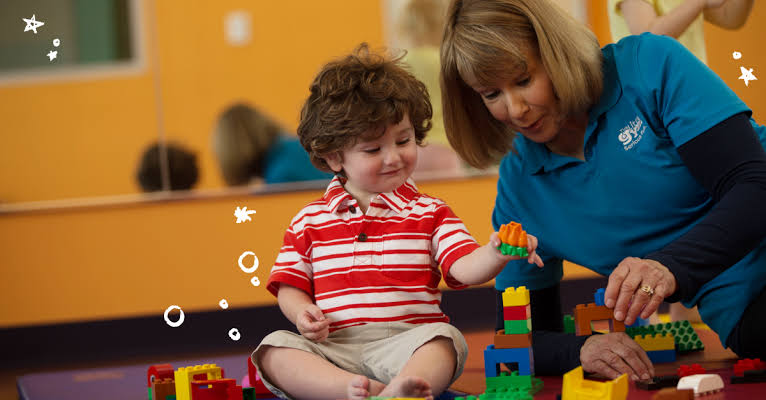
Young children constantly “serve” signals to adults: a baby smiles, cries, babbles, or looks toward something; a toddler points, asks a question, or brings over a toy. When an attentive adult responds with eye contact, words, touch, or an appropriate action, that back-and-forth interaction is known as serve and return.
Research summarized by Harvard’s Center on the Developing Child shows that these responsive exchanges help shape developing brain architecture and support early language and social skills. The Center notes that more than one million new neural connections are formed every second during the first few years of life, although brain development continues throughout childhood and beyond.
This does not mean parents must respond perfectly every time. Real families are tired, distracted, and occasionally overwhelmed. What matters is the overall pattern of responsive care.
Try simple habits such as:
- Put down the phone when your child is telling you something.
- Comment on what your baby is looking at or doing.
- Ask your preschooler questions and actually listen to the answer.
- Comfort children when they are frightened rather than dismissing the feeling.
- Make time for small daily rituals—a bedtime conversation, shared meal, walk, or story.
These ordinary interactions are developmental experiences in their own right.
2. Talk, Read, Sing and Play Every Day
Children learn through interaction. A conversation about washing hands, a song during a car ride, or a story before bed can expose a child to language, turn-taking, vocabulary, emotions, and new ideas without feeling like a formal lesson.
The American Academy of Pediatrics recommends reading together from birth. Babies may not understand a story, but they hear the rhythm and sounds of language while also experiencing eye contact, facial expressions, physical closeness, and shared attention. As children grow, change how you read rather than simply expecting them to sit quietly. Point to pictures with a toddler. Ask a preschooler what might happen next. Let an older child choose books connected to their interests.
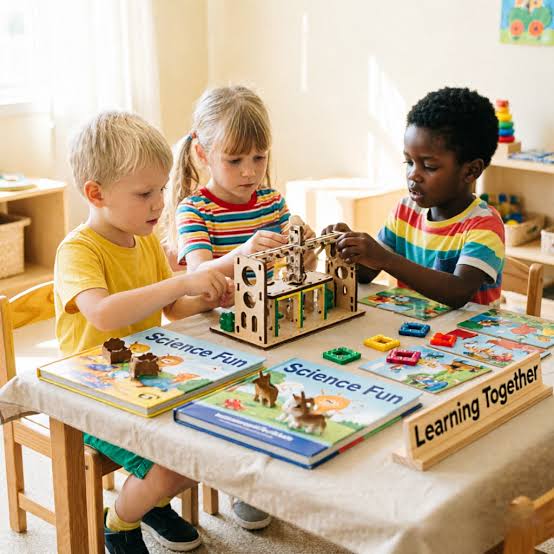
Play deserves the same status. Blocks, drawing, pretend games, puzzles, outdoor exploration, and simple games with parents or siblings allow children to practise problem-solving, communication, coordination, imagination, and self-regulation.
The best play is not necessarily the most sophisticated. A cardboard box can produce more conversation and imaginative cooperation than an expensive electronic toy.
3. Give Children Nutritious Food Without Turning Meals Into Battles
Nutrition supports growth, brain development, immunity, and physical activity. But healthy eating in childhood is less about creating a flawless menu and more about building a pattern of nutritious choices.
For infants, WHO and UNICEF recommend exclusive breastfeeding for the first six months when possible, followed by safe and nutritionally adequate complementary foods while breastfeeding continues to two years or beyond. Families who cannot or do not breastfeed should discuss appropriate infant feeding with a qualified healthcare professional; commercially prepared infant formula is a regulated alternative when needed. From around six months, children need complementary foods because breast milk alone no longer provides all the energy and nutrients required for growth. WHO recommends dietary diversity and responsive feeding—paying attention to a child’s hunger and fullness cues rather than forcing a child to finish a predetermined amount.
For older children, focus on variety:
- Vegetables and fruits
- Whole grains and other high-fibre foods
- Protein-rich foods such as eggs, beans, lentils, fish, meat or suitable alternatives
- Dairy or appropriate fortified alternatives
- Water as a regular drink
Parents do not need to eliminate every treat. A healthier approach is to make nutritious foods the normal household choice while keeping highly processed, sugary foods from becoming the default.
Just as importantly, avoid turning food into a constant source of pressure. Children may need repeated exposure before accepting a new food. Calmly offering it again is generally more productive than demanding that they eat it.
4. Protect Sleep and Make Routines Predictable
Sleep is not wasted time. It supports learning, attention, emotional regulation, growth, and physical health.
Sleep needs vary by age. As a general guide, school-aged children need about 9–12 hours of sleep per 24 hours, while teenagers generally need 8–10 hours. Younger children need even more, including naps for some age groups. The exact amount matters, but so does consistency.
A useful routine might include the same general sequence each evening: dinner, quieter activity, washing or bathing, reading, then bed. Keeping screens out of bedrooms and switching them off around an hour before bedtime can also help protect sleep.For teenagers, parents may need to negotiate rather than dictate. Homework, social life, school schedules, and changing biological sleep patterns can make early bedtimes difficult. The goal is to protect adequate sleep while gradually helping adolescents take responsibility for their own routines.
5. Make Movement Part of Everyday Life
Physical activity supports muscles, bones, cardiovascular health, coordination, fitness, and mental well-being. It also gives children an opportunity to explore what their bodies can do.
Children aged 3–5 should be physically active throughout the day. From ages 6–17, CDC guidance recommends at least 60 minutes of moderate-to-vigorous physical activity each day, including aerobic activity and muscle- and bone-strengthening activities during the week.
That does not have to mean an hour at a gym or organised sports programme.
Walking to school, cycling, running around a playground, dancing in the living room, playing football with friends, climbing, swimming, or helping with physically active household tasks can all contribute.
Parents can make movement easier by providing opportunities rather than constantly issuing instructions. Children are also more likely to adopt active habits when adults participate themselves.
6. Use Screens Intentionally Rather Than Treating Them as the Enemy
Digital media is now part of childhood. The practical question is not simply whether screens are “good” or “bad,” but what they are replacing.
A child watching a high-quality programme with a parent and talking about it is having a different experience from a child spending hours alone with a device while meals, sleep, outdoor play, reading, and conversation disappear.
Current AAP guidance emphasizes that young children learn especially well through real-world interaction and warns that excessive or poorly managed digital media can displace sleep, movement, exploration, reading, and time with caregivers. For younger children, parents can prioritize:
- Age-appropriate content
- Co-viewing where practical
- Screen-free meals
- Screen-free bedrooms
- Regular outdoor and physical play
- Plenty of face-to-face interaction
For older children and teenagers, create family rules around when, where, and why devices are used rather than relying only on an arbitrary daily number.
7. Discipline With Firmness, Not Fear
Healthy development requires boundaries. Children need to know that some behaviours are unacceptable, that adults mean what they say, and that actions have consequences.
But discipline does not require humiliation, threats, or physical punishment.
WHO’s 2026 fact sheet on corporal punishment reports that evidence links physical punishment with harms to children’s physical and mental health, behavioural problems, aggression, and cognitive and socio-emotional development. WHO recommends positive, non-violent approaches instead.Effective discipline can involve:
- Stating the rule clearly.
- Explaining the reason in age-appropriate language.
- Giving limited choices where appropriate.
- Using logical consequences.
- Redirecting young children.
- Praising specific positive behaviours.
- Remaining calm while holding the boundary.
A two-year-old who throws a toy and a 15-year-old who breaks a household rule obviously require different responses. The underlying principle, however, is similar: teach the behaviour you want rather than simply trying to make the child afraid of doing the wrong thing.
8. Protect Mental and Emotional Well-Being
Children need adults who take their feelings seriously without allowing every emotion to determine what happens next.
A parent might say, “I can see you’re angry because we have to leave the park. We are still leaving, but you can choose whether you walk to the car or I carry you.”
The message is powerful: your feelings are acceptable; not every behaviour is.
Stress itself is not always harmful. Harvard’s Center on the Developing Child distinguishes between manageable stress supported by caring adults and prolonged, unbuffered adversity that can become toxic stress. Stable relationships can help children cope with difficult experiences.Parents should also watch for persistent changes in behaviour, sleep, mood, appetite, school performance, or social functioning. A child does not have to be in crisis before a parent asks a pediatrician, teacher, counsellor, or mental-health professional for guidance.
9. Keep Up With Health Care and Developmental Monitoring
Supporting development also means noticing when a child may need additional help.
Developmental milestones include skills children typically acquire in areas such as language, movement, learning, social interaction, and behaviour. They are useful indicators—not rigid deadlines. Children develop at different rates, and a missed milestone does not automatically mean a disorder.
opportunities to discuss growth, nutrition, sleep, hearing, vision, behaviour, learning, safety, and immunizations.
The appropriate vaccination schedule varies by country and individual circumstances, so families should follow their local health authority’s schedule and their child’s clinician’s advice.
A Practical Daily Approach for Parents
The evidence can sound complicated when presented as separate recommendations. In real life, it can be much simpler.
A healthy day might look like this:
Morning: Eat a nutritious breakfast, talk with your child about the day, and encourage some movement.
During the day: Give children opportunities to learn through conversation, school, reading, play, chores, and exploration.
After school: Make room for physical activity and unstructured play before filling every available minute with lessons or organised activities.
Evening: Eat together when possible, talk about the day, reduce stimulating screen use, and follow a predictable bedtime routine.
Every week: Check in on how your child is doing emotionally, socially, physically, and academically. Notice changes rather than waiting for a problem to become severe.
The point is not to produce a perfectly optimized child. Childhood is not a performance metric, and parents should not feel guilty because a particular day went badly.
Frequently Asked Questions
What is the most important thing parents can do for healthy development?
There is no single magic intervention. Consistent, responsive relationships are a particularly important foundation, alongside adequate nutrition, sleep, physical activity, safety, learning opportunities, and appropriate health care.
Does my child need expensive educational toys?
No. Children can learn through ordinary objects, books, conversation, outdoor exploration, drawing, pretend play, and interaction with other people. For young children especially, social and hands-on experiences provide learning opportunities that passive digital entertainment cannot replace.
When should I be concerned about my child’s development?
Talk with a healthcare professional if your child is not meeting expected milestones, loses a skill they previously had, or you simply have a persistent concern. Parents do not need to wait for a scheduled screening appointment before raising an issue.
How can busy parents realistically support development?
Focus on habits that naturally fit into family life. Talk while preparing meals, read before bed, walk together, involve children in household tasks, eat together when possible, and listen when they want to talk. Developmental support does not have to be another item on an already crowded to-do list.
Conclusion
Healthy child development is built through ordinary experiences repeated over time. A responsive conversation, a nutritious meal, an hour of active play, a predictable bedtime, a shared book, a calm boundary, and a timely medical check-up may each seem small. Collectively, they create the environment in which children learn how to think, communicate, regulate emotions, form relationships, and care for their own health.
Parents do not need to get every decision right. What children need most is a dependable foundation: adults who notice them, respond to them, protect them, guide them, and give them room to explore. When that foundation is combined with healthy routines and early attention to developmental concerns, families can give children something more valuable than a perfectly optimized childhood—a strong starting point for a healthy life.
Related Posts