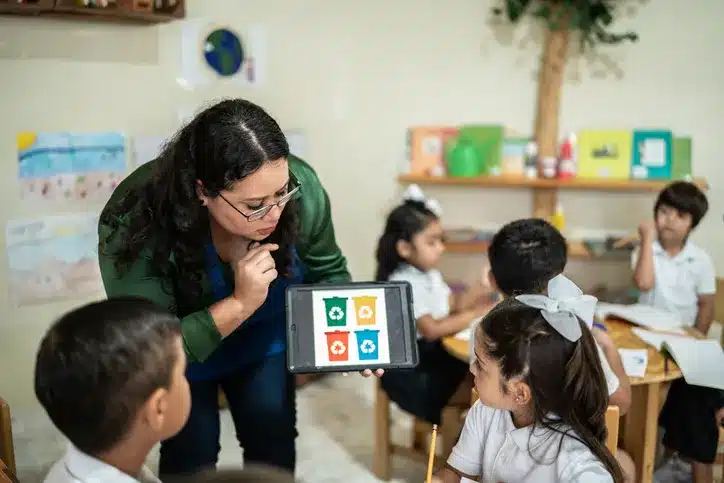
Learning how to responsibly use digital devices and participate in online communities are lessons that today’s children should learn at home. As a parent, it falls on you to guide your child on how to maximize the opportunities that modern technology presents while keeping them informed of its potential risks that they should steer clear of. By equipping your child with the skills and knowledge to carefully navigate the current technological landscape, you empower them to benefit from digital technologies while safeguarding their well-being and privacy. Here are the different ways in which you can do just that.
Set Clear Rules and Expectations
To encourage your child to utilize devices and interact with others online in a conscientious manner, you first and foremost, need to set clear guidelines. These rules should encompass screen time limits, the types of content that are appropriate for your child to view, and how devices should be used. When establishing these expectations, make sure your child fully understands them and the consequences of not following the rules. With a structured environment where rules are followed, you can ensure that your child knows what’s expected of them when they use technology.
While putting together a list of guidelines, it’s a good idea to also look at the rules that your child’s international school in Singapore implements when it comes to gadget use. It can serve as a model and help you avoid conflicting guidelines at home, preventing confusion for your child.

Involve Your Child in Decision-Making
Considering your child’s input in how you use technology at home can give them a sense of ownership and responsibility. Sit down with them to discuss the types of apps and games they want to use and consider setting limits together. Adopting this collaborative approach is a practical way of conveying to your child that they are valued, and it also allows them to understand the reasons behind certain rules and restrictions.
Lead by Example
Children often learn by observing the behaviors of those around them, and this holds true for technology use as well. As a parent, you are a role model for your child, so it’s crucial to set a positive example of responsible use of technology. This means abiding by the same rules you set for your child as well as demonstrating good digital etiquette. Discussing your online experiences with them can also provide them with models of how to conduct themselves online. By showing how to use technology properly, you inspire your child to follow in your footsteps.
Foster Open Communication
An environment that welcomes open communication is vital for fostering the responsible use of technology. Your child should feel comfortable discussing their online experiences, questions, or concerns with you so that you can help them navigate online scenarios. Encourage them to share any issues they encounter online, from cyberbullying incidents to confusing content. At the same time, be a supportive and non-judgmental listener so that your child knows they can turn to you for guidance and assistance.
Educate Them About Online Safety
One of the most critical aspects of responsible technology use is online safety. Educate your child about the potential risks of the internet, the importance of not sharing personal information with strangers, and how to recognize and report inappropriate content or behavior. Empower them with the knowledge and skills to quickly recognize and protect themselves from online threats. This is a practical way of ensuring that they are well-prepared to navigate the digital landscape securely.
Use Parental Control Tools
Parental tools are valuable assets for managing your child’s online experience. These tools allow you to set restrictions on the type of content your child can access, and they also enable you to monitor your child’s online activities. For instance, you can use these tools to implement age-appropriate filters and settings to ensure your child’s internet use aligns with your family’s values and your child’s maturity level. The use of parental control tools provides an extra layer of safety and support by helping you guide your child’s digital journey responsibly.
Teach Critical Thinking
Critical thinking is an essential skill that anyone who wants to participate in online communities should be able to master. Teach your child critical thinking skills by encouraging them to question the information they encounter online, no matter if they found the said claim on websites, social media, or online discussions. Help them understand the difference between credible sources and misinformation and how to steer clear of propagating false or unconfirmed claims. By developing critical thinking skills, your child can make informed choices about what to believe and share and become a more discerning consumer of digital content.
Balance Screen Time
While technology offers valuable educational and recreational opportunities, excessive screen time can have adverse effects on your child’s physical and mental health. Talk to your child about how prolonged use of digital devices can impact their physical and mental well-being. Explain the potential consequences of letting their devices and online activities dictate their schedules, such as disrupted sleep patterns, eye strain, and a sedentary lifestyle. By making them aware of these effects, you can empower your child to make responsible decisions about screen time and its impact on their health.
As an alternative to using their gadgets, encourage your child to do a variety of activities, including outdoor play, reading, and engaging in creative hobbies. You can also create designated screen-free zones in your home, such as the dinner table or the bedroom, to promote a balanced lifestyle among the members of your family.

Explore Digital Communities Together
Interacting with your child in their digital world can be a fantastic way to bond and monitor their online activities. Explore technology and digital communities together by playing video games, watching educational videos, or working on creative digital projects. These activities allow you to share online experiences and utilize opportunities to discuss online safety and responsible tech use in real time.
Stay Informed
Digital tools, environments, and communities are ever-evolving, so it’s a must to keep yourself informed about the latest digital trends, content, apps, and platforms. By keeping up with what your child is interested in, you can better guide and support them in their digital experiences. This knowledge also allows you to identify any potential risks or concerns related to new online activities.
Harnessing the potential of technology while understanding its limitations enables your child to thrive in a digital era and make informed choices. By implementing these tips and strategies, you can help your child navigate the digital world safely and responsibly and become a confident digital citizen.
Related Posts