Home › Bilingual Parenting Strategies › When Your Child Refuses
Problem-solved · Strategies
What to Do When Your Child Refuses to Speak the Minority Language

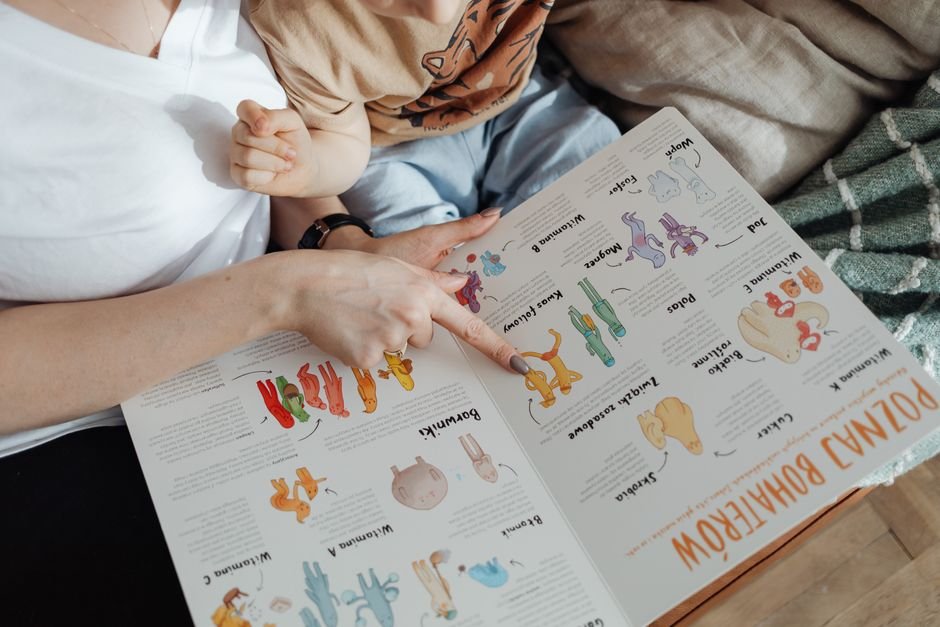
Photo by RDNE Stock project on Pexels
Somewhere around age four, our daughter started answering every question in English, even when we'd asked in the minority language. Not out of confusion — she clearly understood us. She'd just decided English was faster, and once that habit set in, it took real effort to shift back.
This phase catches most bilingual families off guard, usually between ages three and six, right as school and peers start dominating a child's world. Here's what tends to actually help, and what tends to make it worse.
Why This Happens
Refusal usually isn't a sign the language is fading — it's a sign the majority language has become more socially dominant in your child's life, typically once school starts or peer friendships intensify. Kids are pragmatic: they gravitate toward whichever language gets them understood fastest and fits in best with friends.
It also tends to show up more with parents who understand both languages fine, since the child knows there's no real communication cost to answering in whichever language is easiest for them in the moment.
What Tends to Work
1. The "clarification request"
Respond as if you didn't quite understand — "Sorry, can you say that in [language]?" — without pretending total incomprehension. Gentle, low-conflict, and repeatable.
2. Raise the social stakes positively
More video calls with monolingual relatives, more time with other kids who speak the language — situations where the minority language is genuinely the only option, not a request from you.
3. Model, don't correct
Repeat their idea back naturally in the minority language rather than telling them they answered "wrong." Keeps the exchange warm instead of turning it into a test.
4. Add a genuinely fun reason to use it
A game, a show they're excited about, a cousin they want to impress — motivation tends to outperform any correction technique.
5. Stay boring and consistent
Keep speaking the minority language yourself, calmly, without escalating. Most refusal phases fade faster when they're met with steady normalcy rather than visible frustration.
What Tends to Backfire
1. Genuinely pretending not to understand at all
Full incomprehension (rather than a gentle clarification request) can feel punitive to a child and sometimes increases resistance rather than reducing it.
2. Bribery or repeated nagging
"Say it in [language] and you get a treat" tends to frame the language as an unwanted chore rather than something naturally theirs.
A pattern worth watching for: if refusal comes with signs of embarrassment about the language itself — avoiding it around friends, correcting relatives who use it in public — that's less about convenience and more about identity, and usually benefits from a gentler, longer-term approach than correction alone.
Refusal often coincides with school starting
See the specific adjustments that help once school floods a child's day with the majority language.
FAQ
Not usually — comprehension typically stays strong even during a refusal phase. It's more about which language feels socially easiest to produce right now.
It varies widely, but many families see it ease within several months to a year, especially with consistent, low-pressure exposure kept up throughout.
Gentle clarification requests tend to work better than insisting on repetition, which can feel like a test rather than a natural conversation.
This is common and often tied to how consistently each parent holds the language boundary — kids tend to test the parent who's more likely to switch.
Yes — situations where the minority language is genuinely the only shared option, like calls with monolingual grandparents, tend to help more than correction at home.
Heading into the school years?
Refusal phases often line up with school starting — here's how to prepare for that transition specifically.
Read the school transition post