

A few years ago, I surprised a young student in one of my gardening classes when I told him that pickles don’t actually grow in the garden—cucumbers do. His curiosity was instantly sparked, and from that moment on, he couldn’t wait to learn more.
That simple conversation reminded me of just how much children can discover through gardening.
Whether you have a small collection of pots on a city windowsill, a balcony garden, or a spacious backyard, involving kids in growing and caring for plants can be a wonderful learning experience. Gardening naturally introduces children to science, math, and reading, but its benefits go far beyond academics.
By caring for living things, waiting for seeds to grow, and seeing the results of their efforts, children can develop valuable qualities such as patience, mindfulness, kindness, responsibility, and self-esteem.
Here are five important life lessons children can learn from gardening—and simple ways to help those lessons take root.
1. Patience
Why Kids Need It
Patience is a skill many children find difficult to develop. Learning to wait can help children handle frustration, manage stressful situations, and understand the difference between immediate and delayed gratification.
“To most children, everything is in the moment,” says psychiatrist David Scott May of Mill Valley, California. “Life is a blend of immediate and delayed gratification, so children benefit from learning about both.”
How Gardening Helps
Gardening gives children a natural lesson in patience. Seeds don’t sprout instantly, and plants don’t produce flowers or food overnight. Children have to wait, observe, and care for their plants before they can enjoy the results.
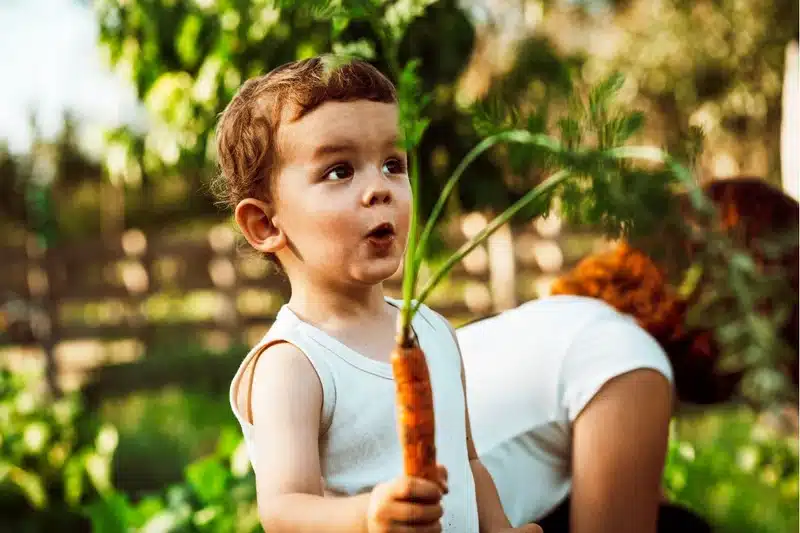
For example, carrots can take roughly 70 to 80 days to mature. That waiting period gives children a real-world opportunity to understand that good things often take time.
How to Grow This Skill
Start with plants that produce visible results quickly. Sunflowers and nasturtiums can germinate in about seven to 10 days, while arugula can be ready to harvest in as little as five to seven days.
For plants that take longer to mature, encourage your child to keep a garden journal. They can record growth with drawings, photographs, measurements, or a few simple sentences. Watching those small changes over time can make patience feel rewarding rather than frustrating.
2. Mindfulness
Why Kids Need It
Children experience big emotions, and learning to slow down and pay attention to the present moment can help them manage stress and become more self-aware.
“When kids realize that what’s happening ‘in the moment’ is personally affecting them, they become more self-aware,” says child therapist Jennifer Couture of Kentfield, California. “That helps strengthen qualities like empathy, kindness, appreciation, and generosity.”
How Gardening Helps
Gardening naturally engages the senses. Children can feel the texture of soil, smell herbs and flowers, hear water flowing, and observe insects moving among the plants.
These simple experiences encourage children to slow down and focus on what is happening around them instead of constantly moving from one activity to another.
How to Grow This Skill
Give your child simple gardening tasks such as watering, digging, planting, or pulling weeds. Encourage them to put away their headphones and focus on what they can see, hear, smell, and feel.
A few quiet minutes spent caring for plants can become a simple mindfulness practice—and one that feels like fun rather than a formal exercise.
3. Kindness
Why Kids Need It
Kindness helps children develop empathy and build positive relationships with others. Learning to care about the needs of other living things can also encourage thoughtfulness and compassion.
“Being kind helps children develop positive relationships,” says psychologist Christine Curtin of Mill Valley, California. “It can also help them manage feelings of anxiety and depression.”
How Gardening Helps
A garden is filled with living things that depend on care. When children see that plants need water, sunlight, healthy soil, and protection from pests, they begin to understand what it means to care for something beyond themselves.
They also learn that helping the garden doesn’t always mean getting rid of every insect. Some insects are beneficial and play an important role in a healthy ecosystem.
How to Grow This Skill
Let children choose gentle, garden-friendly ways to protect plants. For example, they can grow herbs such as thyme and tansy, which may help deter certain pests.
You can also teach children about beneficial insects such as ladybugs, which feed on aphids. This gives them an opportunity to see how different creatures can work together as part of a healthy garden ecosystem.

4. Responsibility
Why Kids Need It
Responsibility helps children become more confident and independent. It also teaches them that their choices have consequences and that they can contribute to something bigger than themselves.
“Teaching responsibility helps kids develop critical-thinking skills,” says child and adolescent psychiatrist Tracy Asamoah of Austin, Texas. “Plus, they learn how to contribute to the greater good.”
How Gardening Helps
Plants need regular attention. They need water, sunlight, weeding, and care over time. Even a small container garden requires commitment.
Giving a child responsibility for a living plant makes the lesson tangible: if they remember to care for it, they can see it grow and thrive.
How to Grow This Skill
Give your child ownership of one container, raised bed, or small section of the garden. Make the responsibility clear: this is their area to plant, water, monitor, and maintain.
You can make the project even more exciting by giving their garden a theme. For example, they could grow herbs and vegetables specifically for making homemade pizza. Having a clear purpose can make regular garden chores feel meaningful.
5. Self-Esteem
Why Kids Need It
Healthy self-esteem can encourage children to try new things, learn from mistakes, and keep working toward their goals when things don’t go as planned.
“They’re more likely to reach for their goals despite setbacks,” says psychotherapist Laurie Javier of San Rafael, California. “They’re also more respectful of themselves and others.”
How Gardening Helps
Gardening gives children visible evidence of their efforts. A tiny seed can eventually become a flower, vegetable, or fruit that they helped grow.
Not every plant will thrive, and that is part of the lesson too. When a plant struggles or dies, children can learn that mistakes and setbacks are normal—and that they can try again with a different approach.
How to Grow This Skill
Begin with gardening activities that produce quick, visible results. Weeding, pruning, planting seedlings, or harvesting vegetables can give children an immediate sense of accomplishment.
For a longer-term project, let them plant and care for a small tree, such as a dwarf lemon tree. Watching it grow over several years can give children a lasting reminder of something they nurtured with their own hands.
Let the Garden Grow More Than Plants
Gardening can be much more than a weekend activity or a way to grow fresh food. It gives children a chance to practice important life skills in a hands-on, meaningful way.
As they wait for seeds to sprout, they learn patience. As they observe the sights, sounds, and smells around them, they practice mindfulness. As they care for plants and beneficial insects, they develop kindness. By taking charge of a garden space, they learn responsibility. And when they see their hard work turn into something beautiful or delicious, they build self-esteem.
The best part? Children don’t have to realize they’re learning these lessons. They’re simply planting, digging, watering, watching, and growing—and along the way, they’re growing themselves, too.
Related Posts


