Play is much more than just a means to kill time for kids. It serves as a basis for their emotional health in addition to aiding in their education.
Have you ever observed a young toddler engrossed in their “own little world”? You may look at them and smile at how much fun they are having, but you will also get a peek of what psychologists and early childhood educators have long known: toddlers process their environment, push limits, and—most importantly—discover who they are through play.
According to the United Nations Convention on the Rights of the Child, children everyplace have the right to play, not a privilege.
Play: A Child’s First Language
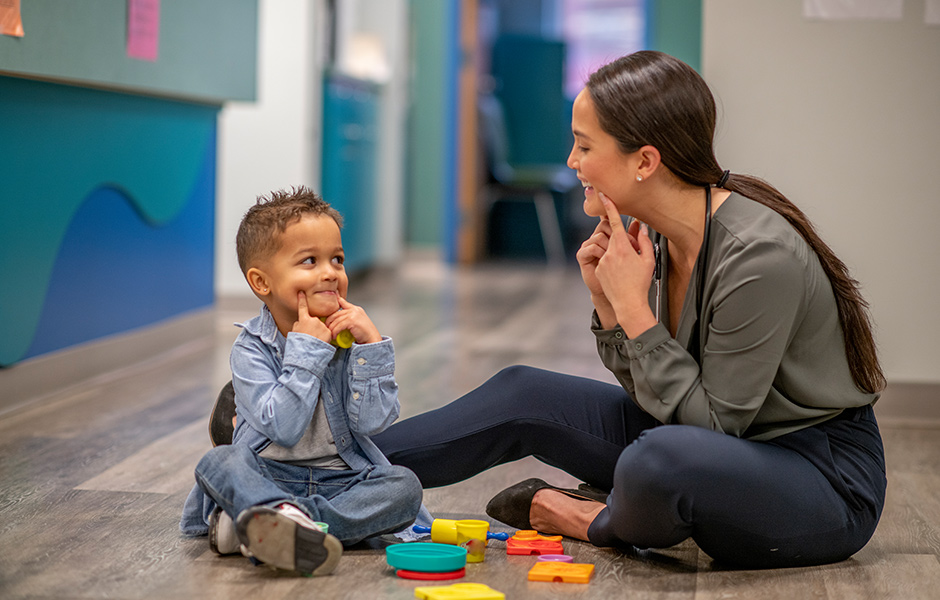
For a variety of reasons, some kids may feel complicated emotions, but they don’t always know how to put it into words. “Toys are like the child’s words and play is the child’s language,” according to play therapist Garry L. Landreth.
You can gain insight into a child’s inner world by watching them construct, act out scenarios, and investigate their surroundings. You may be able to understand a child’s fear by seeing them act out a scene in the home corner. Every creative and imaginative act is a kind of communication.
Through play, kids can express their feelings, explore their potential, and safely test their emotional limits. It is emotional work dressed up as fun, it is not frivolous.
Play and Resilience
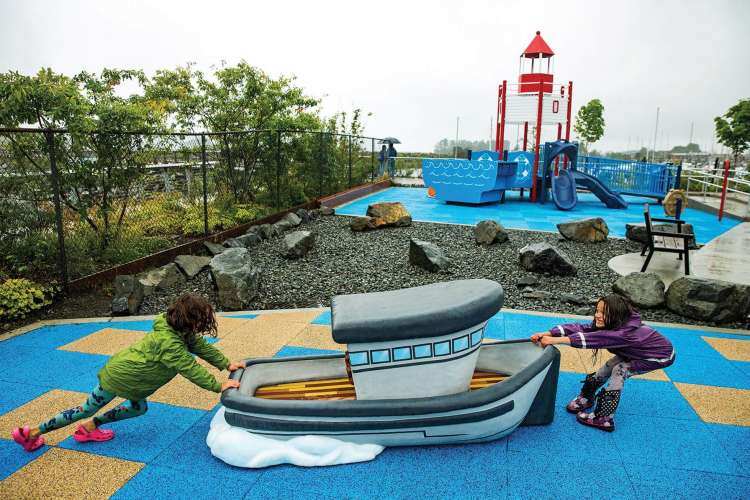
Research has consistently shown that play can support a child’s emotional wellbeing and resilience. In one study of 42 children in Hong Kong who spent one hour per day engaged in unstructured play and short mindfulness sessions showed an improvement in their mood, attention and emotional balance. Outdoor play exposes children to sunshine, fresh air and movement which have all been proven to release serotonin and endorphins.
Play can help children make sense of experiences that might overwhelm them, it can help them process fear and uncertainty. Do you ever journal your feelings? Play can offer children the same emotional release as journalling or talking can provide for us as adults.
Play as Connection
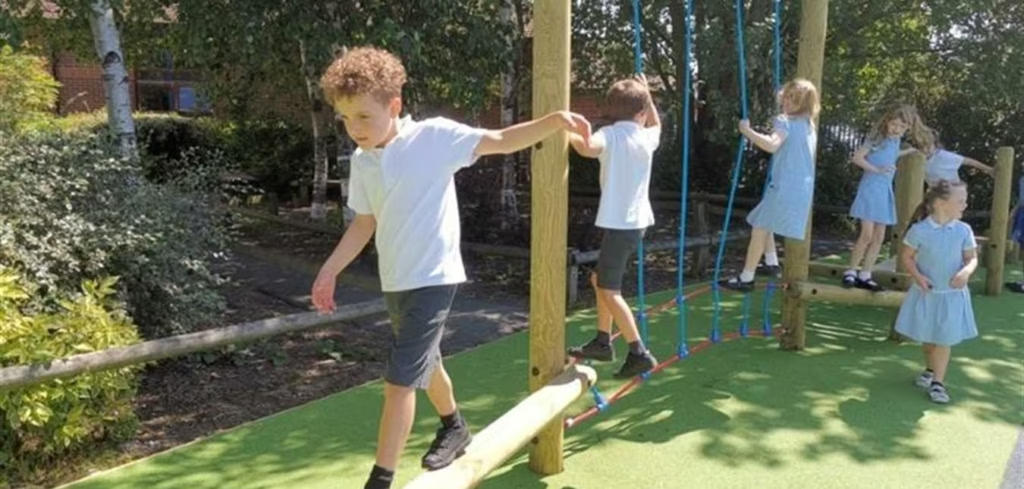
Do you remember playing as a child? Who did you play with?
Play is a way to connect children to one another and usually the first connection is with siblings. When siblings play together, they learn how to share, learn lessons in fairness and compromise as well as practicing listening skills. The skills children acquire through play are the foundations of empathy and self-control.
Positive sibling play can support a child in their overall emotional wellbeing. Through fun, laughter and make-believe children can learn to manage their frustrations, problem-solve and engage in conflict resolution.
It is Our Job to Protect Play
We often hear, “This generation are glued to screens”, or “Children today are under too much pressure.” It is true our children are exposed to technology that we didn’t have access to, more children are engaged in structured after-school clubs and academic pressure seems to be on the rise but as adults we have the power to protect the sacred playful space!
Parents and professionals can:
- Encourage free-flow play every day.
- Offer children open-ended materials instead of toys that serve one purpose (blocks, natural materials, fabric, cardboard boxes etc).
- Make time for outdoor play, whatever the weather.
- Join in with play sometimes, but give children the freedom and opportunity to lead.
The Takeaway
Some adults believe play is a distraction from learning, but play is learning, even Albert Einstein described it as the ‘highest form of research.’ By engaging in play children develop the skills that underpin resilience. Play gives children a voice before they have words, it is their way of exploring life, having freedom of expression and finding calm when needed. If we value and protect play we contribute to the development of emotionally strong and self-aware humans that can exhibit resilience during times of adversity.
In every mud kitchen, princess tea party and dragon slaying adventure there’s a child who is learning how to be brave, curious and resilient.
Read More Articles Here!
Building A Strong Educational Foundation In Children
30 Fun Things To Do With Your Child Before They Start Kindergarten
Related Posts