
Recognizing the Early Warning Signs of Communication Delays
A child should see a speech-language pathologist if they miss core developmental milestones for expressive or receptive language. Parents often wait because relatives suggest that children outgrow delays, but persistent patterns warrant professional evaluation. For instance, a toddler who uses fewer than fifty words by age two or combines fewer than two words together falls behind expected norms. Receptive language matters just as much as expressive output, so pay attention if your child struggles to follow simple directions like putting a toy away. Frustration behaviors such as frequent tantrums can also signal that a child understands more than they can articulate, forcing them to use physical actions to communicate needs. Furthermore, family members should easily understand a large portion of a child’s speech by a certain age. If a three-year-old is unintelligible to familiar adults most of the time, an evaluation can clarify whether this stems from a phonological disorder or typical articulation variance. Ignoring these signals rarely speeds up development, whereas early intervention capitalizes on the brain’s rapid neuroplasticity during the first few years of life.
Another subtle indicator involves social communication, sometimes called pragmatic language use. If your child rarely makes eye contact while talking, struggles to take turns in a conversation, or does not point to share interests with you, these patterns deserve a closer look. Peer interactions at daycare or playgroups often highlight these differences well before structured schooling begins. Teachers might mention that your child plays alone constantly or fails to respond when their name is called across a quiet room. Hearing impairments must always be ruled out first, as chronic ear infections can muffle sounds and disrupt the natural acquisition of phonemes. A pediatric audiologist should check hearing sensitivity alongside any consideration of speech therapy. Once hearing issues are addressed or eliminated, a speech evaluation provides a clear picture of how the child processes auditory input and plans physical mouth movements.
Physical mechanics of the mouth also offer clues about underlying issues. If you notice persistent drooling past toddlerhood, an open mouth posture at rest, or difficulty chewing textured foods, oral motor structures might be affecting speech clarity. Tongue ties, where the frenulum restricts tongue movement, can impact specific sounds like s or r. While many children compensate naturally, others require targeted therapy to achieve full range of motion. Parents should document specific examples of what worries them over the course of two weeks. Bringing this written log to a specialist prevents vague impressions during the consultation and helps the clinician target the exact areas causing daily friction in your household routines.
The Critical Role of Receptive Language in Development
Receptive language refers to how well a child understands spoken and nonverbal language. Children must comprehend concepts before they can reliably produce them in conversation, making this domain the foundation of all communication. Many well-meaning adults focus strictly on the number of words a child says, overlooking whether the child actually understands complex directions. A child might repeat phrases like a video clip, a phenomenon known as echolalia, without grasping the actual meaning behind the words. If you ask a child to put their shoes by the door and they wander off with a toy instead, they may be experiencing a breakdown in auditory processing or receptive vocabulary. Speech therapists evaluate this by testing comprehension of spatial terms, pronouns, and multi-step commands using physical objects rather than abstract questions.
Comprehension deficits often hide behind polite nods and memorized routines. Children are resourceful and learn to follow the visual cues of their parents, moving when others move or copying tasks at school. This masking makes receptive delays harder to spot until academic demands increase and abstract instructions become the norm. When a child reaches preschool age, classrooms rely heavily on group instructions delivered to all students at once. A child with poor receptive language will fall behind simply because they missed the sequence of steps required for a craft project. Speech therapy targets these foundational listening skills through games that require active participation and immediate feedback, ensuring the child learns to process spoken information accurately in noisy environments.
Building strong receptive skills directly reduces behavioral outbursts in young children. When a child constantly misunderstands what adults expect of them, they feel helpless and overwhelmed throughout the day. Providing them with visual supports, slower speech pacing, and simplified sentences bridges the gap between what adults say and what the child processes. Therapists teach parents how to modify their own communication styles at home to support this process. You learn to pause after asking a question, giving the child adequate time to process the auditory input before demanding a verbal response. This shift changes the entire dynamic of family communication, turning daily routines into low-stress opportunities for language growth.
Expressive Language Hurdles and Vocabulary Growth
Expressive language encompasses vocabulary size, sentence structure, and the ability to share thoughts and stories. A child with expressive difficulties might know exactly what they want to say in their mind but lack the linguistic tools to build the sentence. This discrepancy often leads to word-finding difficulties, where the child uses placeholder words like thing or stuff instead of specific nouns. They might point and say look at that over and over because retrieving the specific label proves too difficult in the moment. Speech therapists assess these patterns through structured storytelling tasks and play-based interactions that encourage the child to describe objects, actions, and sequences of events without adult prompting.
Grammar and syntax development follow a predictable trajectory across early childhood. Children naturally progress from single words to two-word phrases, then incorporate plurals, verb tenses, and complex sentence structures containing conjunctions. If a four-year-old consistently speaks in telegraphic sentences, dropping verbs and small structural words entirely, an evaluation is warranted. For example, saying doggie run instead of the dog is running indicates a delay in grammatical markers. Therapists address these gaps by modeling correct grammar during play rather than correcting the child directly. Direct corrections often make children self-conscious and reluctant to speak, whereas recasting the sentence naturally demonstrates the correct form in a supportive context.
Narrative skills represent an advanced stage of expressive language that predicts later literacy success. Being able to tell a cohesive story with a beginning, middle, and end requires organizing thoughts sequentially and using appropriate transition words. Children with expressive delays often tell stories that jump randomly between ideas without context or chronological order. Speech therapy incorporates book sharing, puppet play, and picture sequencing cards to build these narrative skills. As children learn to structure their thoughts, their confidence grows, making them much more willing to participate in classroom discussions and social conversations with peers.
Articulation and Phonological Processing Differences
Articulation refers to the physical production of individual speech sounds, while phonological processes refer to patterns of sound errors. Every child goes through a phase of mispronouncing sounds as they learn to coordinate their tongue, lips, teeth, and breath support. However, these errors should resolve by specific ages according to standard developmental charts. If a child substitutes certain sounds past the expected age of mastery, speech clarity suffers significantly. For instance, substituting w for r is common in young children, but persisting with this substitution past early elementary school requires professional intervention. Therapists differentiate between a simple articulation error on a single sound and a broad phonological pattern where the child drops entire classes of sounds, such as final consonants in words.
Phonological processes are rule-based simplifications that children use to make speech easier. When a child replaces sounds made in the back of the mouth with sounds made in the front, such as saying tat for cat, they are using fronting. While normal in toddlers, this process should disappear before preschool age. Speech therapists use auditory bombardment techniques and tactile cues to help children feel where sounds are produced in the mouth. Looking in a mirror together allows the child to compare their mouth posture with the therapist’s model. This visual and physical feedback is crucial for children who struggle to hear the difference between their own incorrect production and the correct adult model.
The impact of articulation disorders extends far beyond mispronounced words. Children who are difficult to understand often experience social withdrawal, anxiety, or frustration when interacting with peers who expect clear communication. Teachers may misjudge the child’s intelligence based solely on poor speech clarity, leading to lower academic expectations. Early intervention for articulation prevents these secondary emotional and social complications. Therapy sessions are designed to be engaging and game-oriented, keeping the child motivated while they practice motor memory drills for challenging sounds hundreds of times per week.
What Happens During the Initial Evaluation
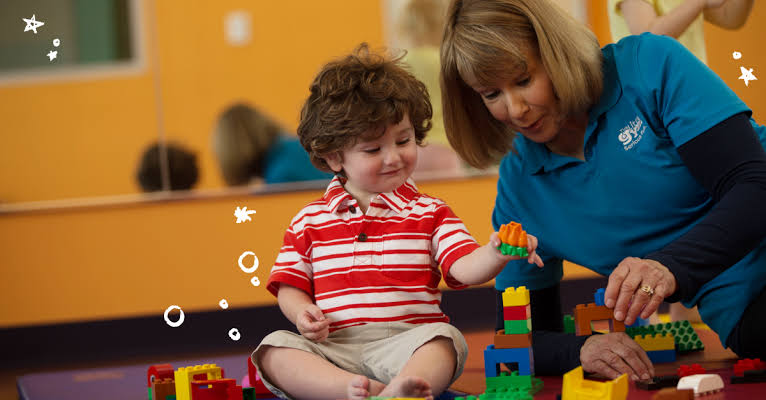
The first appointment with a speech-language pathologist is typically an evaluation session lasting between one and two hours. Parents should expect to discuss developmental history, medical background, and specific concerns in detail. The therapist will ask about pregnancy and birth complications, developmental milestones like walking and eating, and family history of speech or hearing difficulties. Following this discussion, the formal assessment begins. For younger children, the evaluation looks like a play session where the therapist introduces specific toys, puzzles, and books designed to elicit target communication behaviors without causing anxiety.
Standardized tests are often part of the evaluation process for older children. These tests compare the child’s performance against normative data from a large sample of peers the same age. Standardized scores provide objective metrics that insurance companies and school districts require to authorize ongoing treatment services. However, standardized tests alone do not tell the whole story. Skilled clinicians combine these scores with dynamic assessment, clinical observation, and parent report to capture a holistic view of the child’s communication abilities in natural environments.
The evaluation concludes with a feedback conversation where the therapist shares their findings and recommendations. You will learn whether your child qualifies for services, what specific goals the therapist recommends, and the expected frequency of sessions. If therapy is warranted, the clinician outlines a plan tailored to your family’s schedule and the child’s unique learning style. You also receive practical strategies to implement immediately at home, ensuring that language facilitation continues between weekly appointments. This collaborative closeout sets clear expectations and empowers you as an active partner in your child’s progress.
Navigating Insurance and Accessing Services
Securing speech therapy coverage through health insurance requires careful paperwork and adherence to specific administrative rules. Most private insurance plans require a formal referral or prescription from your pediatrician before they will process claims for a speech and language evaluation. Parents should contact their insurance provider in advance to verify coverage details, copays, and any annual visit limits. Asking specific questions about diagnostic codes versus treatment codes prevents unexpected bills after the initial consultation takes place. If insurance denies coverage, many clinics offer payment plans or sliding scale fees to accommodate family budgets.
Public systems offer alternative pathways for children who need support. Children under the age of three may qualify for state-funded early intervention programs through their local county or health department. These programs provide evaluations and home-based services at little to no cost based on household income. Once a child turns three, eligibility transitions to the local school district. The school system conducts its own multidisciplinary evaluation to determine if the speech delay adversely impacts the child’s educational performance, which is the legal standard for receiving school-based therapy services.
Choosing between private clinics, hospital outpatient departments, and school-based services involves trade-offs. Private clinics often offer greater scheduling flexibility and more frequent one-on-one sessions, but out-of-pocket costs can accumulate quickly. School-based services are free of charge and integrated into the child’s daily routine, but they often operate under strict eligibility cutoffs and group therapy models. Many families utilize a hybrid approach, taking advantage of private therapy for intensive early remediation and relying on school services once the child transitions into kindergarten classrooms.
Frequently Asked Questions
When should I worry about my child not talking?
You should seek an evaluation if your child uses no words by eighteen months or fails to combine two words by age two. Persistent reliance on gestures rather than vocalization at these ages also warrants professional review. Waiting to see if the child catches up on their own often misses the optimal window for early intervention. Trust your instincts if daily communication feels unusually difficult compared to peers.
How long does speech therapy usually take?
The duration of speech therapy varies wildly depending on the severity of the delay and the underlying cause. Some children achieve their goals within a few months of targeted intervention for a minor articulation error. Other children with complex neurodevelopmental conditions or severe apraxia require years of ongoing support. Consistency at home between weekly sessions remains the single most reliable predictor of faster progress.
Can I do speech therapy at home without a professional?
Parent involvement is essential for progress, but home strategies complement rather than replace professional therapy. A speech-language pathologist provides a precise diagnosis and structured treatment plan tailored to specific motor or cognitive deficits. Trying to correct complex speech disorders without guidance can sometimes reinforce incorrect patterns. Therapists teach you how to embed language facilitation naturally into your daily routines.
What causes speech and language delays?
Speech delays stem from a wide range of factors, including chronic ear infections, oral motor differences, and genetic predispositions. Developmental conditions like autism spectrum disorder or hearing impairments also frequently impact communication development. In many cases, however, no single root cause is ever identified. The focus remains on addressing the functional deficits regardless of the original trigger.
How do I prepare my child for their first appointment?
Talk about the upcoming visit using simple and positive language, comparing the clinic to a fun playroom with games and books. Avoid treating the evaluation as a test or making the child anxious about performing well. Bring favorite snacks, a comfort item, and copies of any previous medical or educational records. Arriving a few minutes early helps the child acclimate to the new environment before the clinician invites them in.
Starting Your Communication Journey
Contact your pediatrician today to request a referral for a comprehensive speech and language evaluation.
Related Posts