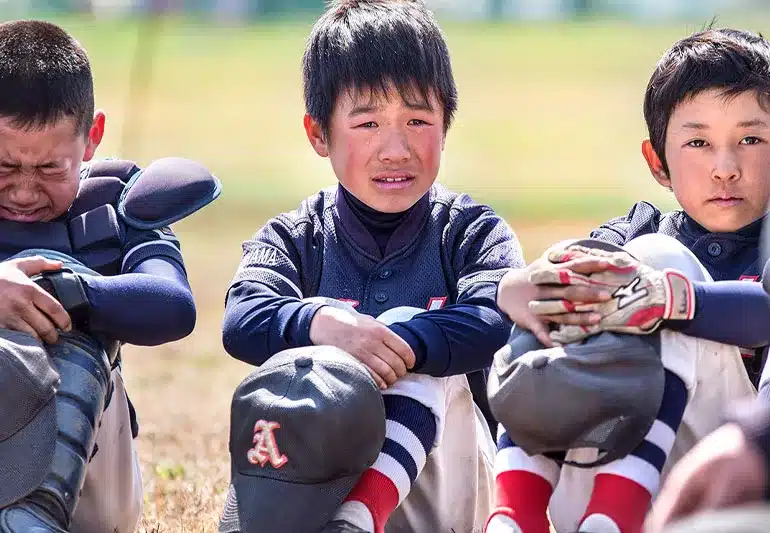
Every parent has watched their child crumble after a setback—a missed goal, a poor grade, a rejected invitation—and felt that instinctive pull to fix it. But shielding kids from failure deprives them of one of life’s most important lessons: how to get back up. Research shows that children who learn to navigate disappointment early develop stronger resilience, better problem-solving skills, and greater emotional regulation as adults.
Why Failure Matters More Than Success
Failure isn’t the opposite of learning—it’s part of it. When children experience manageable setbacks in a supportive environment, their brains build neural pathways that help them cope with stress and adapt to challenges later in life. The American Academy of Pediatrics notes that kids allowed to make small, safe mistakes are more likely to manage stress effectively and recover faster from adversity as they grow.
A 2023 longitudinal study from the Harvard Center on the Developing Child tracked 1,200 children from birth through age 14 and found that the strongest predictor of resilience wasn’t temperament or cognitive ability—it was having at least one stable, responsive adult relationship. Children with that support showed resilient outcomes at rates 2.4 times higher than those without, regardless of how many adversities they faced. This underscores a crucial point: helping your child handle failure isn’t about pushing them to “toughen up” alone. It’s about being the steady presence that makes risk-taking feel safe.

Practical Strategies for Parents
Validate Feelings Before Problem-Solving
When your child is upset, lead with empathy. “I know this hurts” or “It makes sense you’re disappointed” signals that their emotions are valid. Save analytical questions—”What do you think went wrong?”—for after they’ve settled. Jumping straight to solutions can feel dismissive when a child is still in distress.
Normalize Setbacks in Everyday Conversation
Talk about mistakes, retries, and awkward first attempts as routine parts of learning, not crises. Share your own stumbles: “That presentation didn’t go how I hoped. I’m going to try a different approach tomorrow.” Children imitate adult responses to failure; modeling recovery gives them a map for their own.
Praise Effort, Not Just Outcomes
Focus on what your child controlled—their preparation, persistence, or willingness to ask for help—rather than the final grade or score. This doesn’t mean offering empty praise. Be specific: “You practiced that piece every day this week. That consistency really showed.”
Break Big Challenges Into Smaller Steps
Overly high expectations can paralyze. Help your child set realistic, attainable goals that align with their current abilities. If a science project feels overwhelming, break it into research, outline, draft, and revision phases. Celebrating progress at each stage builds confidence for the next.naitreetgrandir+1
Ask One Useful Reflection Question
After emotions have settled, try a single, forward-looking prompt: “What’s one thing you could try differently next time?” Avoid turning the moment into a full post-mortem. The goal is to encourage agency, not exhaust them with analysis.
Create a “Failure-Friendly” Environment
Some families keep a “failure wall” where everyone writes down something they struggled with and what they learned. Others use books and movies that depict characters overcoming setbacks to spark conversation. The point is to make failure visible, discussable, and survivable.
Frequently Asked Questions
Should I let my child fail on purpose?
Not exactly. The goal isn’t to engineer failure but to resist the urge to rescue them from every stumble. Let kids experience natural, low-stakes consequences—forgetting homework, losing a game—while staying emotionally available.
What if my child gives up easily?
Start by shrinking the next step. Choose one doable goal they can work on this week rather than a sweeping promise about the future. Notice and praise recovery behaviors—taking a break and returning, trying a new plan, asking for help—not just results.
How do I know if my child’s reaction to failure is concerning?
Occasional frustration is normal. But if your child consistently avoids challenges, shows intense shame after mistakes, or refuses to try again across multiple settings, consider consulting a pediatrician or child psychologist.
Conclusion
Helping your child handle failure isn’t about hardening them against disappointment. It’s about teaching them that setbacks are temporary, that effort matters, and that they don’t face difficulties alone. The science is clear: resilient kids aren’t those who never fall—they’re the ones who know someone will be there when they do, and who have practiced getting back up enough times to believe they can.
By validating emotions, modeling recovery, praising process, and keeping expectations realistic, you give your child something far more valuable than constant success: the confidence to keep trying when things don’t go as planned.
Related Posts